Tuesday, April 22, 2014

Saturday, November 17, 2012
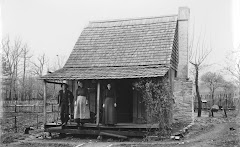
CAN ANYONE IDENTIFY THESE PEOPLE?
These photos were collected from people who lived in the Big Fork, Sulphur Springs, & Caddo areas. No names were written on the back so I have no idea who they are. Can anyone identify these people? Click on each one to see the whole photo.


 |
| This one has been identified as the Jonathan Beck family. |

OLD PHOTOS
Here are some old photos that were collected and copied from people who lived in the Big Fork, Sulphur Springs and Caddo areas. I have included what was written on the back of each one. Click on each one to see the complete photo.
 |
| L to R: Rob Hoyle, Freeman Edwards, Holder Edwards. Photo taken across road from Clyde Bates' house where Rachel Edwards & Annie Philpot lived. |
 |
| Sitting on log L to R: Colonel Standridge, Lillie Spake, Will Hughes, Martha Spake, Wayne Beck, Ida Spake, & Granville Bowen. Back of log L to R: Jess Putman, Jess Beck |
 |
| L to R: Wesley Hughes, Audie Curl, Lela Cox, & Agnes Sherman |
 |
| L to R: Robert Lee Smith, son of William Roberts; Dewey Smith, son of Alexander Chapman |
 |
| Only name on the back is: Ozeta Spake |
Friday, September 23, 2011
Standridge, Bowen, and Stover Families
The Standridges are said to have migrated from Virginia to North Carolina to South Carolina and to Georgia before a branch of them came to Arkansas. The Bowens were in Maryland before migrating to Georgia. The Stovers were in Virginia before following a similar path to Georgia. All three of these families lived in the Habersham Co., Georgia area that later became White County in 1857. Some of the Standridges also lived in Lumpkin Co., Georgia as did some Stovers. Some Stovers were also in Gilmer Co.
About 1855 the James Standridge family are said to have left
Georgia and moved to the west end of Montgomery Co., Arkansas near Big
Fork. After the Civil War, Newton Standridge moved
near his brother, James, in Montgomery Co. Newton's third wife was
Millicent Lucretia Goss Jeffrey, daughter of Elijah Benson Goss. She was first married to John Jeffrey.
James Standridge also had a daughter, Nancy Standridge who married John Rider. They had a daughter, Dicey Rider who married Thomas Jefferson Bates, possibly about 1833 in Georgia. He was a brother to Margaret (Abernathy), George V. and William Fleming Bates. He and Dicey came with them to Big Fork in 1852.
Temperance Mary Ann Standridge, daughter of James Standridge, married Frances M. Bowen in 1853 in White Co., Georgia. They had a daughter, Nancy Ann Elizabeth Bowen, that married Nathaniel Benson Goss, son of Elijah Benson Goss. Later Nancy Ann's second husband was Abram Royal Bates, son of George V. Bates.
With Nancy Ann and her mother, Temperance, we can get into quite a family tangle. Nancy Ann E. Bowen and Nathaniel B. Goss had a daughter, Elizabeth Lucretia Goss, who married Joshua Abernathy, son of James A. Abernathy and Mary P. Vandevier, daughter of Enoch Vandevier and Nancy Bates. Another daughter of Nancy Ann Bowen and Nathaniel B. Goss was E. Frances Goss who married William N. Edwards, son of Thomas Jefferson Edwards and Mary E. Bates, daughter of William Fleming Bates. Are you confused yet? It gets more complicated if we consider that in 1879, Elijah B. Goss' daughter, Martha E.Goss, married Phillip Abernathy. Phillip was first married to Margaret Bates, sister of George V. Bates. Martha Goss was Phillip's third wife. She had been married first to Kimsey P. Standridge in 1855, who was a brother to Temperance M. A. Standridge Bowen. Martha and Kimsey's children were James M. and Will Standridge. Their son, James M. Standridge, married Minervah Abernathy in 1873; she was the daughter of Phillip and Margaret (Bates) Abernathy. This means that Minervah's step-mother was also her mother-in-law and Phillip's step-son was his son-in-law. Phillip and Martha had a daughter, Spicey Abernathy, who married Samuel Standridge, parents unknown to me.
Now back to Temperance M. A. Standridge Bowen: after her husband, Frances M. Bowen, died, she married Abraham Walker, brother to Hortense Mansina Walker Bates, wife of George V. Bates. Abraham Walker's daughter, Harriet, by his first wife, Mary, married Frank E. Standridge who was also a brother to Temperance Standridge Bowen Walker. So this means that Harriet's step-mother, Temperance, was also her sister-in-law. Abraham's son-in-law, Abram R. Bates, became his brother-in-law. And Temperance M. A. Standridge Bowen Walker was not only Abram Royal Bates' mother-in-law, but she also became his aunt. See what I mean by a family tangle?
With Nancy Ann and her mother, Temperance, we can get into quite a family tangle. Nancy Ann E. Bowen and Nathaniel B. Goss had a daughter, Elizabeth Lucretia Goss, who married Joshua Abernathy, son of James A. Abernathy and Mary P. Vandevier, daughter of Enoch Vandevier and Nancy Bates. Another daughter of Nancy Ann Bowen and Nathaniel B. Goss was E. Frances Goss who married William N. Edwards, son of Thomas Jefferson Edwards and Mary E. Bates, daughter of William Fleming Bates. Are you confused yet? It gets more complicated if we consider that in 1879, Elijah B. Goss' daughter, Martha E.Goss, married Phillip Abernathy. Phillip was first married to Margaret Bates, sister of George V. Bates. Martha Goss was Phillip's third wife. She had been married first to Kimsey P. Standridge in 1855, who was a brother to Temperance M. A. Standridge Bowen. Martha and Kimsey's children were James M. and Will Standridge. Their son, James M. Standridge, married Minervah Abernathy in 1873; she was the daughter of Phillip and Margaret (Bates) Abernathy. This means that Minervah's step-mother was also her mother-in-law and Phillip's step-son was his son-in-law. Phillip and Martha had a daughter, Spicey Abernathy, who married Samuel Standridge, parents unknown to me.
Now back to Temperance M. A. Standridge Bowen: after her husband, Frances M. Bowen, died, she married Abraham Walker, brother to Hortense Mansina Walker Bates, wife of George V. Bates. Abraham Walker's daughter, Harriet, by his first wife, Mary, married Frank E. Standridge who was also a brother to Temperance Standridge Bowen Walker. So this means that Harriet's step-mother, Temperance, was also her sister-in-law. Abraham's son-in-law, Abram R. Bates, became his brother-in-law. And Temperance M. A. Standridge Bowen Walker was not only Abram Royal Bates' mother-in-law, but she also became his aunt. See what I mean by a family tangle?
Elisha Sanders Stover married Elizabeth Sarah Ann Bowen, daughter of Isaac Bowen, in 1872 and moved to Arkansas sometime around 1874. On the deed of what was my grandparents farm, about one mile north of Big Fork on County Road 67, Elisha Stover bought some land, in 1880, from Melton A. and Sarah O'Barr. In 1878 he bought another piece of land from Marion A. and Mary O'Barr. The O'Barrs were related to the Goss family. In 1885 Elisha sold to James Washington Dilbeck. Then in 1886, Dilbeck sold to J.C. Standridge.
 |
| Abram Royal Bates with 2nd wife: Nancy Ann Elizabeth Bowen |
Friday, September 16, 2011
Early Migration
The early migration pattern of many families that ended up in Big Fork fascinated me. The primary ones that I researched were the Bates, Goss, Edwards, Abernathy, Vandivier, Turner, and Smith families And it's very possible that the same migration pattern applies to many other Big Fork families.
Virginia, Maryland and Pennsylvania were places of early colonies and they border each other. People from England, Scotland, Ireland, Germany, the Netherlands, etc. started their new life in America in these states. Many of our Big Fork families started in Virginia, Maryland and Pennsylvania before moving into the Carolinas and on to Georgia or Tennessee. Here are a few:
John Bates immgrated from England and came to Virginia in 1623.
John Goss was born in Virginia in 1628 and he and his son, William, are thought to be the beginning of the Goss family.
Alfred E. Edward was born in 1791 in Virginia. His father is thought to be Richard Edwards.
Robert Abernathy II, born in 1656 in Virginia is thought to be the progenitor of the Abernathy family.
Isaac Dilbeck, from the Netherlands, is thought to be the first progenitor of Dilbecks in America and came in 1683 to Pennsylvania.
William Turner was born about 1724 in Maryland and his descendants would later marry into the Goss and Smith families of Big Fork.
James Standridge, born in Maryland, had a descendant who married into the Goss family. This Standridge family also lived in South Carolina and Georgia.
From Virginia, Maryland and Pennsylvania, a huge number of people moved south to North Carolina and South Carolina. Others went to Tennessee, sometimes after being in South Carolina first. The flow of settlers going from Virginia to the Carolinas and on to Georgia is the one I wanted to primarily write about here. Several Big Fork families were in this huge stream of settlers and lived fairly close to each other during this migration but did they meet each other before coming to Big Fork? I mentioned this a little in the post "From Whence They Came" but would make a good subject for a future post.
Thomas Goss moved out of Virginia to North Carolina. In 1790, he moved into the far western part of South Carolina on the edge of the Blue Ridge Mountains called Pendleton District. Around 1800, William Bates left Virginia and also settled in Pendleton District. Many people migrated through this far western corner of South Carolina before moving on. The Vandiviers, who married into the Bates family, also lived in Pendleton District.
Next to Pendleton District was Spartanburg District where the Turners and Walkers lived. A John Dilbeck is listed in the 1790 census of Spartanburg District.
In 1808 the Abernathys were in Lincoln Co., North Carolina, about 100 miles northeast of where the Bates and Goss families lived. In 1844, they moved to Cass Co., Georgia. Dilbecks lived in Rutherford Co., North Carolina which was not far from Lincoln Co. on the west. Both counties were are the west side of North Carolina.
The Edwards family were in Chesterfield Co., South Carolina by 1814 or before. In 1825 they moved to Cobb or Cherokee Co.,Georgia. About 1834, the Stephen Bates family moved from Pendleton District, South Carolina to Cherokee Co., Georgia.
Looking through some of the Big Fork census records, here are a few surnames of those born in North Carolina: Whehunt, Aber (Abair) Cabler, Cox, Crawford, Lawrence, Masters, Walker and Abernathy. Here are those born in South Carolina: Rankin, Garmon, Dilbeck, Goss, Reed, Vandivier, Shedd, Abernathy, Bates, Crawford, Turner, Edwards, Hendrix, Bowen, Standridge and Liles. These are just a few that help us to see the general migration pattern of many early Big Fork families.
Below is a map showing the basic migration path that five families took, roughly between 1790 and 1866. The Bates family started in York Co., VA and moved to Halifax Co., VA before going to SC; the Dilbecks started from Germantown, PA. and it's thought that some may have lived in the Shenandoah Valley of VA before moving on to NC. The Goss family's original home is uncertain but Gosses were in Pennsylvania and Maryland before living in Virginia; it's interesting that a Goss had land next to a Bates family in Kent Co., VA in 1704. Gosses are found in more than one county in NC but I show them in just one which was Bertie Co. Our Gosses were also in Granville Co., NC before moving to Pendleton Dist. The Abernathys are said to have started somewhere in Maryland before moving to NC. The Edwards are said to have been somewhere in Virginia; I show a purple line for them also going to Elmore Co., Alabama because Alfred E. Edward, the progenitor of Big Fork Edwards, moved there and lived until he died in 1873. His son, Charles lived and died in Cherokee Co., GA; after he died in 1865, his family moved to Big Fork.

Click on the map for a larger view
Monday, September 12, 2011
From Whence They Came
Where did the early settlers of Big Fork come from before moving to Arkansas? After 1820, a large westward expansion brought settlers to Arkansas. The Ouachita Mountains attracted many people from Northern Georgia. Land in western Arkansas was fairly easy to
obtain. Sometimes a settler didn't have to pay taxes for five years on land he bought so that was an incentive.
Before moving to Arkansas, many of the Big Fork families lived in Georgia in the counties of Lumpkin, Habersham, White, Hall, Gilmer, Fannin, Cobb, Cass and Cherokee. When the Goss family first moved to Georgia about 1810, they settled in what was then Cherokee land in the north. They lived in what later became, in 1818, Hall and Habersham Counties. Other families such as the Dilbecks, Edwards, Turners, and Walkers came to Georgia probably sometime between 1819 and 1825. The Dilbecks lived in Gilmer Co. where they knew the Benjamin Goss family and the Turner family by at least 1834. The Bates family moved to Georgia into Cherokee Co. in 1834. The Abernathy family moved to Cass Co. (Bartow Co. today) by 1844.
Other Big Fork people from Georgia included the Head, Cox, Jeffery, Stover, Standridge, Bowen, Garmon, Putman, O'Barr, Smith, Rider, Vandevier, Abair. Shedd. Wehunt, Crawford, Fowler, Hendrix, Ellison, Fountain, Masters and Hooper families, and more. Most, if not all, of these people lived in more than one county of the northern part. Several of these families knew each other in Georgia before moving to Big Fork.
I received a letter from a Dilbeck relative in Dawson Co., Georgia. In her research, she said she found five Dilbecks that came to Georgia about the same time. One of these,David Dilbeck, father of John W. Dilbeck of Big Fork, born about 1788 in South Carolina, had land that was located near Amicalola Falls, located in what is now Dawson Co. but was once part of Gilmer Co. This beautiful falls is 729 feet and located in the Amicalola Falls State Park.
The Bates family moved to Georgia in 1834 and settled in Cherokee County, just west of Lumpkin Co. and south of Gilmer Co. Stephen Bates bought a farm here in 1835. Here they eventually met the Edwards, Ellisons, and Walkers. They also knew the Abernathy family who lived just over the line in Cass Co.
Some early families of Big Fork also came from Tennessee. Here are a few surnames of these: Cabler, Gann, Heath, Cheny Huddleston, Scott, North, Dempsey and more. A few other families came from Oklahoma, Missouri, Kentucky, Alabama, Louisiana, North Carolina and South Carolina, and Mississippi. And some came from the north, such as the Fried family from Indiana. In the 1880 census, there was a William Baker, born in Ohio; a William Hosler, in the 1860 census, was born in England and had the occupation of miller. This is all just a small sample of the people who once lived in or near Big Fork and where they came from.

CLICK ON THE MAP FOR A LARGER VIEW
Saturday, January 22, 2011
Big Fork Hotel and Post Office Visited by Professor and Geologist, Samuel Calvin
About 1880, a professor of Natural Science at the University of Iowa and geologist, Samuel Calvin came to Polk County to photograph the rock formations. His gallery includes photos taken east of Mena which are mostly of geological formations in the woods. Fortunately for us who are interested in Big Fork, he took this photo of the early hotel and post office that served the community at that time. As of yet, I haven't been able to identify the three people on the porch.
Samuel Calvin was born in 1840 in Scotland and died while teaching at the University of Iowa in 1911. You can read his biography and see his photos at: http://www.uiowa.edu/~calvin/calvin.htm
Go to "Calvin's Scrapbook" and look under "Buildings". Scroll down and Voila!
If you want to see the geological images he took east of Mena, go to "Calvin's Image Database". Under "Geology of U.S. and Canada-Place of Interest" select "Arkansas" from the drop down menu and click "Go". There you will see seven photos of rock formations and a waterfall characteristic of Polk County.

The Smith Family from Georgia
 |
| Malinda Jane (Turner) Smith |
About 1866, the William Riley Smith family arrived in Big Fork. They were from Lumpkin County, Georgia. William Riley Smith married Malinda Jane Turner about 1848 in Georgia. She was a younger sister to Lucretia E. (Turner) Goss, wife of Elijah B. Goss of Big Fork. After leaving Georgia, Riley and Malinda went to Izzard County, Arkansas to visit Riley's brother. The 1880 Izzard County Census showed a Jasper Smith and family. Some in the Smith family think Riley's father's name was Jasper. In Riley's granddaughter's Bible are the names: Jasper Smith and Sarah, Jasper, William Riley, Green, Mary and Artemissie.
Sometime between 1866 and 1870. Riley and Jane M. Smith are listed with four children in the 1870 Polk County, Arkansas, Big Fork Township Census. The four children were: Washington, Frances M., Berriman J. and Sarah E. Their close neighbors were the William and Sam Crawford families and the William and John Heath families. Other neighbors included the Benson Goss family, Stephen C. and Sarah Bates family, Thompson Shed family, and the Thomas and Mary Edwards family.
In 1894, Riley Smith died. Malinda later lived with her son, Washington H. and his wife, Sarah (Bates) Smith.
 |
| Sarah Jane (Bates) and Washington H. Smith |
During the Civil War, in Georgia, Wash burned his arm while fighting fires. So his parents sent him to school to get a little more education so he could make a living without depending entirely on his physical abilities. About 1872 he married Sarah Jane Bates, the daughter of George V. and Tenny Bates. They had ten children:
1. Amanda Elizabeth "Mandy" Smith, born 1873; married James B. Liles
2. Melinda Lucretia Smith, born 1875. She never married; ran the Post Office for awhile.
3. Luvina Smith who died at six weeks old.
4. Mary Artemissia "Artie" Smith, born 1879; married Moses Benjamin Fried
5. Alice Safronia Smith, born 1881; married Robert "Bob" Putman
6. Nancy Louella Bathsheba "Nan" Smith, born 1883; married Aaron Boston Michigan
"Boss" Dilbeck
7. Rhoda Florence Smith, born 1885; married James Maddox
8. Susie Ovie Smith, born 1888, married George Hooper
9. Nina Varina Smith, born 1891; married Freeman Edwards
10. Orland Jefferson Smith, born 1893; married Bessie Lee White
1. Amanda Elizabeth "Mandy" Smith, born 1873; married James B. Liles
2. Melinda Lucretia Smith, born 1875. She never married; ran the Post Office for awhile.
3. Luvina Smith who died at six weeks old.
4. Mary Artemissia "Artie" Smith, born 1879; married Moses Benjamin Fried
5. Alice Safronia Smith, born 1881; married Robert "Bob" Putman
6. Nancy Louella Bathsheba "Nan" Smith, born 1883; married Aaron Boston Michigan
"Boss" Dilbeck
7. Rhoda Florence Smith, born 1885; married James Maddox
8. Susie Ovie Smith, born 1888, married George Hooper
9. Nina Varina Smith, born 1891; married Freeman Edwards
10. Orland Jefferson Smith, born 1893; married Bessie Lee White
 | |||
| Four generations of the Smith Family |
In this photo, left to right, front row, Jim and Mandy Liles with Elfie and Elsie; Ovie Smith;
grandmother Malinda J. (Turner) Smith; Wash and Sally Smith with Orland Smith and Nina Smith.
Left to right, on the porch, Nan Smith, Artie Smith, Alice Smith, Florence Smith, Lucretia Smith.
Malinda Jane used to tell these grandchildren her "Old Georgia Tales" about the time when she and Riley lived in Georgia during the Civil War. One of these that was told to me by her great-granddaughter included the account of when Riley was injured in the War and was laid up in South Carolina. Malinda was determined to go get him and bring him home. She put hay in the bed of the wagon and took the youngest child with her. The other children were left for Wash, the oldest, to care for. She drove to the Savannah River but had to stop because the water was up. People there told her that she could not cross it. But she drove her wagon into the river, the horses swam and she made it to the other side. Riley's leg was injured and he always limped after that. They experienced some hard times during the war and perhaps that was the reason they wanted to leave for Arkansas after it was over.
Friday, January 21, 2011
Martha Ann Cox Shed Goss Rodgers
Martha Cox was born June 4, 1836 in Georgia. She is said to be the daughter of George Rufus Cox and Malinda Findley who migrated from Georgia to the head the Caddo River in Montgomery County, Arkansas in 1848. Martha married John R. Shed in 1857 at the age of 21. They had a daughter: Alsie Jane Shed, who later married Berryman Jasper Smith, son of Washington H. Smith and Malinda Jane (Turner). Another daughter was Martha R. Shed.
After John Shed died, Martha married Elijah Benson Goss and they had one son, Elijah Bethel Goss.
Later Martha married S. Rodgers who was her junior by eleven years. They had no children.
Martha died on January 17, 1909 on the head of the Caddo River. She and her parents are buried in the Cox-
Head Cemetery located near Sulphur Springs in Montgomery County, Arkansas.

Thursday, January 20, 2011
James Abernathy and Mary P. Vandiver
 |
These two photos are of James Alexander Abernathy and his wife, Mary (Vandevier or Vandiver) Abernathy. Mary was the daughter of Enoch Vandiver and Nancy Bates. Mary was born in 1826 in Pickens County, South Carolina. She married James Alexander Abernathy, born 1821. Mary died in 1897 and James died in 1905. They're both buried in the Pleasant Grove Cemetery at Big Fork. They had eleven children: 1. Sarah Ann born 1847 2. Laura M. born 1850 married William J. Scott 3. Nancy Louisa born 1852 married Asbury Leonard 4. Margaret Lucretia born 1854 married George Scott and second: Mr Darymore; and third "Doc" Long; and fourth, Marion F. Roberts; fifth Mr. Whitehead 5. Rufus Jefferson Abernathy born 1856 6. Phillip Abernathy born about 1858 7. Darius "Lit" Abernathy born 1860 8. Cyntha born 1863 9. James Alexander Abernathy, Jr. born 1865 10. Mary Parasina born 1867 11. Joshua Abernathy born 1870 |

Friday, July 23, 2010
Dr. Stephen Christopher Bates
 | |||||||||
| This photo is said to be Dr. Stephen Christopher Bates. Stephen C. Bates was the first child of William Fleming Bates and Mary A. Whisenant (known as Fleming and Polly Bates). Stephen was their first child and was born December 4, 1825 in South Carolina. He and his wife, Sarah Eveline (Corley), and children, William Bates, Issabella Bates and James Isaac Bates, along with Stephen's parents and other relatives, moved from Cherokee County, Georgia to Arkansas in 1852. His first wife, Sarah, is buried in the Pleasant Grove Cemetery at Big Fork. Later Stephen married Tenna S. E. Elizabeth Georgeann Josephine Shirley on May 19, 1881 in Montgomery County, Arkansas. On March 14, 1901, he married Mary A. Ausbern/Ansbern in Montgomery County. Stephen has fourteen children altogether. He and Sarah had ten: William, Issabella, James Isaac ("Isaac"), Sarah Jane, Joseph, Ambrose Alexander, Sarah Frances, David, Martha, and Lucretia. Martha and Lucretia and buried in the Pleasant Grove Cemetery at Big Fork. Stephen and his second wife, Josephine ("Tenna") had four children: Mary Ann, John Calhoun, Thomas Jefferson ("Tom Bill") and Sarah Evelyn ("Sally") Bates. Stephen died December 13, 1913 and is buried at Oden, Arkansas. |
Saturday, April 3, 2010
An Old Farm Near Big Fork

The Fried Family
Moses Benjamin "Mose" Fried with wife, Mary Artemisia "Artie" (Smith) Fried;
children are:
Elizabeth Lucretia "Bess" Fried
Beulah Fried (baby)
Samuel Washington Fried (on the horse)
Mose Fried was the son of Daniel Fried, Jr. and Malinda Dilbeck. Mose Fried's grandfather, Daniel Fried, came to Polk County from Indiana in 1848. His siblings: John W. Fried (married Kittie Cottman); Benson Daniel Fried (m. Inda M. Standridge); and Martha Salem Fried (m. William E. Burkhart). His mother, Malinda Dilbeck was the daughter of John Washington Dilbeck and Eliza Selina (Goss) Dilbeck who came to Big Fork in 1851 from Lumpkin Co., Georgia. They came to Big Fork with Eliza's parents, Benjamin and Martha "Patsy" (Harbin) Goss.
Daniel Fried, Jr., according to other family researchers, is the son of Daniel Fried, Sr. and Elizabeth Cutsinger, whose headstones are in the Concord Cemetery at Ink, Polk Co., Arkansas and can been seen online at arkansasgravestones.org. One family researcher claims that Daniel Fried Sr. was born in 1806 in Greene Co., Tennessee and married Elizabeth in 1828 in Orange Co., Indiana. The parents of Daniel Fried, Sr. is thought to be John Freed (or Fried) and Regina Rife from Virginia; who moved to Indiana.
Mose and Artie Fried had ten children: Samuel Washington, Elizabeth Lucretia (Tiller), Beulah (Luttrel), Margaret (Bates), Eula Jane (Hamby), David Daniel, Moses Benjamin, Jr., John, Martha, and Douglas Fried.
Friday, April 2, 2010
The Abernathy Family
Nathan and Eve (Cline) Abernathy migrated to Cass County, Georgia from North Carolina in 1844. One source claims they moved there to find jobs in the ironworks. There were iron mines in Georgia. They seemed to have lived in the community of Macedonia (also called Abernathyville) which now lies under Lake Allatoona. Nathan and Eve Abernathy had a son named Phillip who became a blacksmith. By at least 1848, the Abernathys met the Bates Family. Phillip Abernathy married Margaret Bates, the daughter of Stephen and Sarah (Cox) Bates. Phillip had a brother, James Alexander Abernathy, who married Mary Parasina Vandiver, the daughter of Nancy (Bates) and Enoch Vandiver. These two Abernathy families joined the Bates wagon train and moved to Big Fork in 1852.
Phillip and Margaret (Bates) Abernathy found land on the east side of Big Fork which included the land that is now the Pleasant Grove Cemetery. Their children were Canzada Abernathy who later married William J. Lewis; Columbus C. Abernathy; James W. Abernathy; Elizabeth Hortense Abernathy and Minervah Abernathy. The mother, Margaret, died before 1864 at an early age. The father, Phillip, then married Mary Lewis and their children were Phillip R. Abernathy, Guilford Abernathy, Thomas Abernathy and either another son or daughter, the name is uncertain.
James A. Abernathy,Sr. and his wife, Mary P. (Vandiver) had a son named Joshua Abernathy. Joshua married Lucretia E. Goss, the granddaughter of one of the early settlers, Elijah B. Goss.
James A. Abernathy, Jr. married Sarah Jane Standridge. Their daughter, Myrtle Abernathy, married Elijah A. Bates, son of John Calvin and Malinda (Goss) Bates. Myrtle and "Lige" broke up and some people say she died of a broken heart at the age of 34. She's buried at Pleasant Grove Cemetery near Big Fork and the name on her gravestone is simply "Myrtle Abernathy".
Phillip and Margaret (Bates) Abernathy found land on the east side of Big Fork which included the land that is now the Pleasant Grove Cemetery. Their children were Canzada Abernathy who later married William J. Lewis; Columbus C. Abernathy; James W. Abernathy; Elizabeth Hortense Abernathy and Minervah Abernathy. The mother, Margaret, died before 1864 at an early age. The father, Phillip, then married Mary Lewis and their children were Phillip R. Abernathy, Guilford Abernathy, Thomas Abernathy and either another son or daughter, the name is uncertain.
James A. Abernathy,Sr. and his wife, Mary P. (Vandiver) had a son named Joshua Abernathy. Joshua married Lucretia E. Goss, the granddaughter of one of the early settlers, Elijah B. Goss.
James A. Abernathy, Jr. married Sarah Jane Standridge. Their daughter, Myrtle Abernathy, married Elijah A. Bates, son of John Calvin and Malinda (Goss) Bates. Myrtle and "Lige" broke up and some people say she died of a broken heart at the age of 34. She's buried at Pleasant Grove Cemetery near Big Fork and the name on her gravestone is simply "Myrtle Abernathy".
 |
| Abernathy Spring near Big Fork on Hwy. 8 East |
Schools
According to Rhoda Vandivier, daughter of Enoch and Nancy (Bates) Vandivier, the Bates wagon train from Georgia to Arkansas brought everything the settlers would need in their new wilderness home, including teachers.
One early school at Big Fork was called "the Shed School" because it was located on land owned by a Mr. Shed. Remember the Sheds (Shedds) were early settlers from Georgia. Later this same land was bought by Washington Himer Smith. Wash Smith was an early schoolteacher. When a young man he burned and permanently injured his arm fighting fires during the Civil War. He needed another way to make a living besides farming so his parents sent him to Atlanta for more education. He had a farm and taught school in Big Fork. He earned about $30.00 a month for teaching. He was one of the first to teach at "the Shed School" located southeast of "downtown" Big Fork on what is now Highway 8. The simple, board building sat on a hill and had glass windows. The benches were made of split logs.
Free school was held during three months of summer and sometimes a subscription school was held in the winter. When it was a subscription school, the parents would pay a certain amount per student.
 A Big Fork School Class about 1893. The boy on the back row on the far right with the intials, A.B., SR written across him, is Aaron Boston Michigan Dilbeck, known as "Boss" Dilbeck. The girl in the middle row, sixth from the left, is Alice Smith, daughter of Wash and Sally (Bates) Smith. "Boss" Dilbeck later married Alice's sister, Nancy Smith. The fourth person from the left, in the middle row, has a white skirt and someone wrote "Edna"on it. I don't know who she is.

One early school at Big Fork was called "the Shed School" because it was located on land owned by a Mr. Shed. Remember the Sheds (Shedds) were early settlers from Georgia. Later this same land was bought by Washington Himer Smith. Wash Smith was an early schoolteacher. When a young man he burned and permanently injured his arm fighting fires during the Civil War. He needed another way to make a living besides farming so his parents sent him to Atlanta for more education. He had a farm and taught school in Big Fork. He earned about $30.00 a month for teaching. He was one of the first to teach at "the Shed School" located southeast of "downtown" Big Fork on what is now Highway 8. The simple, board building sat on a hill and had glass windows. The benches were made of split logs.
Free school was held during three months of summer and sometimes a subscription school was held in the winter. When it was a subscription school, the parents would pay a certain amount per student.

 |
| Dilbeck & Putmans were among this group above taken about 1910. |

The Cox, Shedd, Royal, Rider, Head and Jeffrey Families
Many people had settled Northern Georgia and good farming land had become more scarce. So wagon trains of Georgians moved on west. George Rufus Cox, who was born in 1811 in North Carolina and migrated to Georgia, married Malinda Findley, thought to be living in Lumpkin County, Georgia. George and Malinda, along with perhaps the Shedds, Royals, Riders and Jefferys, according one researcher, left Georgia in 1848 and moved to Arkansas. Their descendants married into more than one Big Fork family.
Another family from Lumpkin County, Georgia that settled on the Caddo River east of Big Fork were the Heads. George R. and Malinda Cox's son, Moses C. Cox married Harriet M. Jeffrey. Their daughter, Martha Etta Cox married Charlie Jackson Head. A son of Moses and Harriet Cox, James LaFayette "Fatie" Cox, married Nancy Jane Bates, daughter of John Calvin Bates of Big Fork. Cynthia Malinda Cox, daughter of George and Malinda, married Jackson Dilbeck; Lucy Minerva Cox, also daughter of George and Malinda, married James Beck.
Some of the Shedd (or Shed) family later married into families of Big Fork. Riley and Malinda Smith's son, Berryman Smith married Ellie Malinda Jane Shedd (aka Alsie), daughter of Martha Ann Cox and John R. Shed, in 1875. Elijah Benson Goss married Martha Ann Cox Shedd after his first wife died. She is said to be the daughter of George Rufus Cox who lived on the head of the Caddo River. A Mr. Shedd owned land in Big Fork where a school was built and it was called "the Shed School".
About the Rider family from Georgia , a family researcher on Ancestry. com says that Dicey Rider, who married Thomas Jefferson Bates, was a sister to John Rider who lived in Montgomery County. John Rider, born 1820 in South Carolina, married Mary "Polly" Beck, born 1815 in South Carolina. I have tried to find a reason why the Bates family picked Big Fork to settle. Did John and Polly Rider move from Georgia to Arkansas in 1848 too? Did the Bates family follow them later in 1852? Inquiring minds would like to know.
The name "Royal" is of interest to me because the Bates' grandfather, William Bates, of Virginia and South Carolina, married a widow named Mary Royal Barton. She was the daughter of John and Susannah Royall. John Royall's ancestry goes back to Joseph Royall, Sr. who came to Virginia in 1622 from England. Joseph married Katherine Banks and they had a son, Joseph Royall, Jr. in 1646. Joseph and Katherine had a large plantation. After Joseph Royall, Sr. died near Charles City, Virginia in 1654, Katherine married Henry Isham, Sr. who also owned a large plantation. Henry and Katherine had two daughters. One of these daughters was Mary Isham who married William Randolph. They became the ancestors of so many people that they were referred to as "the Adam and Eve of Virginia".
Joseph Royall,Jr. had a son, William Royall, who became the father of John Royall, the father of Mary Royall. Mary first married a man named Barton. Later, widowed, she married William Bates. Around 1800, they moved from Halifax County, Virginia to Pendleton District, South Carolina. Their son, Stephen Bates, was the progenitor of the Bates family that eventually migrated to Big Fork. There is a community named "Royal" on Highway 270 in Garland County, near Hot Springs. Was it named after the Royal family of Georgia?
Stephen Bates married Sarah Cox. It has been very difficult to learn anything about Sarah's Cox family. Were they related to the Cox family that moved from Lumpkin County, Georgia to Montgomery County, Arkansas? Some say George Rufus Cox was Sarah's brother but others do not think so. A family researcher on Ancestry. com says Sarah's father was Edward Cox. There was an Edward Cox in the 1790 Pendleton District, SC Census and he had seven girls and three boys. Sarah would have been five years old in 1790. There was more than one Edward Cox listed in the 1790 and 1800 Pickens County, SC Census ; Pickens County was part of the old Pendleton District.
Another family from Lumpkin County, Georgia that settled on the Caddo River east of Big Fork were the Heads. George R. and Malinda Cox's son, Moses C. Cox married Harriet M. Jeffrey. Their daughter, Martha Etta Cox married Charlie Jackson Head. A son of Moses and Harriet Cox, James LaFayette "Fatie" Cox, married Nancy Jane Bates, daughter of John Calvin Bates of Big Fork. Cynthia Malinda Cox, daughter of George and Malinda, married Jackson Dilbeck; Lucy Minerva Cox, also daughter of George and Malinda, married James Beck.
Some of the Shedd (or Shed) family later married into families of Big Fork. Riley and Malinda Smith's son, Berryman Smith married Ellie Malinda Jane Shedd (aka Alsie), daughter of Martha Ann Cox and John R. Shed, in 1875. Elijah Benson Goss married Martha Ann Cox Shedd after his first wife died. She is said to be the daughter of George Rufus Cox who lived on the head of the Caddo River. A Mr. Shedd owned land in Big Fork where a school was built and it was called "the Shed School".
About the Rider family from Georgia , a family researcher on Ancestry. com says that Dicey Rider, who married Thomas Jefferson Bates, was a sister to John Rider who lived in Montgomery County. John Rider, born 1820 in South Carolina, married Mary "Polly" Beck, born 1815 in South Carolina. I have tried to find a reason why the Bates family picked Big Fork to settle. Did John and Polly Rider move from Georgia to Arkansas in 1848 too? Did the Bates family follow them later in 1852? Inquiring minds would like to know.
The name "Royal" is of interest to me because the Bates' grandfather, William Bates, of Virginia and South Carolina, married a widow named Mary Royal Barton. She was the daughter of John and Susannah Royall. John Royall's ancestry goes back to Joseph Royall, Sr. who came to Virginia in 1622 from England. Joseph married Katherine Banks and they had a son, Joseph Royall, Jr. in 1646. Joseph and Katherine had a large plantation. After Joseph Royall, Sr. died near Charles City, Virginia in 1654, Katherine married Henry Isham, Sr. who also owned a large plantation. Henry and Katherine had two daughters. One of these daughters was Mary Isham who married William Randolph. They became the ancestors of so many people that they were referred to as "the Adam and Eve of Virginia".
Joseph Royall,Jr. had a son, William Royall, who became the father of John Royall, the father of Mary Royall. Mary first married a man named Barton. Later, widowed, she married William Bates. Around 1800, they moved from Halifax County, Virginia to Pendleton District, South Carolina. Their son, Stephen Bates, was the progenitor of the Bates family that eventually migrated to Big Fork. There is a community named "Royal" on Highway 270 in Garland County, near Hot Springs. Was it named after the Royal family of Georgia?
Stephen Bates married Sarah Cox. It has been very difficult to learn anything about Sarah's Cox family. Were they related to the Cox family that moved from Lumpkin County, Georgia to Montgomery County, Arkansas? Some say George Rufus Cox was Sarah's brother but others do not think so. A family researcher on Ancestry. com says Sarah's father was Edward Cox. There was an Edward Cox in the 1790 Pendleton District, SC Census and he had seven girls and three boys. Sarah would have been five years old in 1790. There was more than one Edward Cox listed in the 1790 and 1800 Pickens County, SC Census ; Pickens County was part of the old Pendleton District.
Thursday, April 1, 2010
The Dilbeck Family
John Dilbeck, born about 1817 in North or South Carolina, married Eliza Selina Goss, daughter of Benjamin and Patsy Goss, on January 2, 1840 John and Selina moved to Big Fork with her Goss family in 1851. John Dilbeck was the son of David Dilbeck, born in 1788 in south Carolina. John's mother was Mary Hampton. It's thought that David Dilbeck's father was John George Dilbeck, Sr. Dilbecks are found in the census records of North Carolina, Virginia and Pennsylvania. David Dilbeck migrated to northern Georgia to land that cornered what is now the Amicalola Falls State Park.
John and Selina had four children when they moved to Big Fork in 1851. They were:
Marion Asbury Dilbeck (later married Elizabeth Bates, daughter of William Fleming Bates)
Benson Greenberry Dilbeck
Malinda Dilbeck (later married Daniel Fried, Jr. and had a son, Moses B. Fried of Big Fork)
Jackson Dilbeck (later married Cynthia M. Cox)
After they settled near Big Fork, John and Selina had the following children:
John Ben Dilbeck ( married Margaret Huddleston and later married Margaret Pate)
James Washington Dilbeck (married Susanne Savannah Edwards)
Selina Arminda Dilbeck (married Hugh Fowler)

The photo is of James Washington Dilbeck and Susanne Savannah Edwards
John and Selina had four children when they moved to Big Fork in 1851. They were:
Marion Asbury Dilbeck (later married Elizabeth Bates, daughter of William Fleming Bates)
Benson Greenberry Dilbeck
Malinda Dilbeck (later married Daniel Fried, Jr. and had a son, Moses B. Fried of Big Fork)
Jackson Dilbeck (later married Cynthia M. Cox)
After they settled near Big Fork, John and Selina had the following children:
John Ben Dilbeck ( married Margaret Huddleston and later married Margaret Pate)
James Washington Dilbeck (married Susanne Savannah Edwards)
Selina Arminda Dilbeck (married Hugh Fowler)

The photo is of James Washington Dilbeck and Susanne Savannah Edwards
They lived in the heart of Big Fork and had a store for years. Behind their
house was a large, beautiful spring that served the community as a place to
get a cold drink on a hot day. Eventually a concrete box was added to help
the water flow up and out and provide clean access.
The Edwards Family
The Edwards family was from Cherokee County, Georgia. After the father, Charles Edwards, died in September 1865, his widow, Nancy Edwards, and some of her children moved to the Big Fork area. These children included:
Thomas Jefferson Edwards and wife, Mary Ann Emma (Bates), daughter of William Fleming Bates and Mary (Whisenant) Bates that migrated to Big Fork in 1852.
James A. Edwards and wife, Clarissa (Messer) Edwards and children, including Susanne Savannah Edwards, 7 years old.
Robert Simeon Edwards
Zachariah Gipson Edwards (later married Rachel Tursa Bates, daughter of William Fleming Bates in 1866 in Arkansas)
Rhoda Caroline Edwards (later married Thomas Jefferson Bates, son of George V. Bates)
Nancy Jane Edwards
This branch of the Edwards family claimed that they were the first wagon train to come through Caddo Gap. Thomas J. Edwards, son of Charles and Nancy Edwards, is said to have lead the wagon train.
 Susanne Savannah Edwards
Thomas Jefferson Edwards and wife, Mary Ann Emma (Bates), daughter of William Fleming Bates and Mary (Whisenant) Bates that migrated to Big Fork in 1852.
James A. Edwards and wife, Clarissa (Messer) Edwards and children, including Susanne Savannah Edwards, 7 years old.
Robert Simeon Edwards
Zachariah Gipson Edwards (later married Rachel Tursa Bates, daughter of William Fleming Bates in 1866 in Arkansas)
Rhoda Caroline Edwards (later married Thomas Jefferson Bates, son of George V. Bates)
Nancy Jane Edwards
This branch of the Edwards family claimed that they were the first wagon train to come through Caddo Gap. Thomas J. Edwards, son of Charles and Nancy Edwards, is said to have lead the wagon train.

Born 1859 in Georgia
Died October 3, 1943 at the home of her son, "Boss" Dilbeck
Buried at Pleasant Grove Cemetery, Big Fork
It was told to me that she used to say that she wanted this old world to come
to an end because after she was gone she didn't want much to happen.
Wednesday, March 31, 2010
The Goss Wagon Train of 1851
The Goss family lived in the northeast corner of Georgia in Lumpkin County until 1851. Benjamin Goss, was born in 1777 in Granville, North Carolina. He married Martha "Patsy" Harbin about 1798. He had migrated to Georgia from South Carolina with his parents and his own family as early as 1818.
By 1833 Benjamin had twelve children. One theory is that since he fought in the War of 1812, he was given a land grant in Arkansas as payment. Part of the land that later belonged to my grandparents originally was granted by the United States to Benjamin Goss as of March 1, 1855. The Big Fork Creek bordered this piece of land. I will tell a little more about this land later.
Early records, dated August 16, 1851, show that Benjamin's daughter, Selina, and her husband, John Dilbeck, asked for letters of dismission from their church. They were preparing to move to Arkansas. The ones that I know of that joined the wagon train in the fall of 1851 were:
Benjamin Goss, 74 years old, and wife, Patsy (Harbin) Goss
Their children:
Elijah Benson Goss and his wife, Lucretia Emeline (Turner) Goss
with six children: Martha Emeline Goss, 14; Nathaniel Benson Goss, 11, Sarah Salina Goss, 9; Malinda Elvira Goss, 6; Millicent Lucretia Goss, 4; and Mary Jane Goss, 1 year old.
Selina (Goss) Dilbeck, daughter of Benjamin Goss, and husband, John Dilbeck
with four children: Marion Asbury Dilbeck, 11; Benson Dilbeck, 9; Malinda Dilbeck, 6; and Jackson Dilbeck, 2.
Other children of Benjamin and Patsy Goss, that I believe were on the wagon train, were:
Malinda (Goss) O'Barr with at least two sons, Melton Asbury O'Barr and Marion A. O'Barr
Malinda was a widow at the time. Her husband was Ashley O'Barr and there is a story that gold was first discovered on his father's land in Hall County, Georgia in 1828. Malinda and her sons did move to Arkansas because their names were on a deed for land near Big Fork as grantors and grantees. Their name was on the deed for land that later became my grandparent's land near Big Fork.
Martha Goss, daughter of Benjamin and Patsy Goss. Her name was on the same land deed.
Melissa (Goss) Garmon, daughter of Benjamin and Patsy Goss, and her husband, Perry Garmon
Elizabeth (Goss) Kinsie, daughter of Benjamin and Patsy Goss, and her husband, Elisha Kinsie
Louisa (Goss) Ayres, daughter of Benjamin and Patsy Goss, and her husband, William Ayres
The names of Melissa, Elizabeth and Louisa and their husbands also were on the same deed for land near Big Fork.
By 1833 Benjamin had twelve children. One theory is that since he fought in the War of 1812, he was given a land grant in Arkansas as payment. Part of the land that later belonged to my grandparents originally was granted by the United States to Benjamin Goss as of March 1, 1855. The Big Fork Creek bordered this piece of land. I will tell a little more about this land later.
Early records, dated August 16, 1851, show that Benjamin's daughter, Selina, and her husband, John Dilbeck, asked for letters of dismission from their church. They were preparing to move to Arkansas. The ones that I know of that joined the wagon train in the fall of 1851 were:
Benjamin Goss, 74 years old, and wife, Patsy (Harbin) Goss
Their children:
Elijah Benson Goss and his wife, Lucretia Emeline (Turner) Goss
with six children: Martha Emeline Goss, 14; Nathaniel Benson Goss, 11, Sarah Salina Goss, 9; Malinda Elvira Goss, 6; Millicent Lucretia Goss, 4; and Mary Jane Goss, 1 year old.
Selina (Goss) Dilbeck, daughter of Benjamin Goss, and husband, John Dilbeck
with four children: Marion Asbury Dilbeck, 11; Benson Dilbeck, 9; Malinda Dilbeck, 6; and Jackson Dilbeck, 2.
Other children of Benjamin and Patsy Goss, that I believe were on the wagon train, were:
Malinda (Goss) O'Barr with at least two sons, Melton Asbury O'Barr and Marion A. O'Barr
Malinda was a widow at the time. Her husband was Ashley O'Barr and there is a story that gold was first discovered on his father's land in Hall County, Georgia in 1828. Malinda and her sons did move to Arkansas because their names were on a deed for land near Big Fork as grantors and grantees. Their name was on the deed for land that later became my grandparent's land near Big Fork.
Martha Goss, daughter of Benjamin and Patsy Goss. Her name was on the same land deed.
Melissa (Goss) Garmon, daughter of Benjamin and Patsy Goss, and her husband, Perry Garmon
Elizabeth (Goss) Kinsie, daughter of Benjamin and Patsy Goss, and her husband, Elisha Kinsie
Louisa (Goss) Ayres, daughter of Benjamin and Patsy Goss, and her husband, William Ayres
The names of Melissa, Elizabeth and Louisa and their husbands also were on the same deed for land near Big Fork.
Sarah Christenberry--A Sad Story
 | |
| Written on the back is: Willie Christenberry. |
Tuesday, March 30, 2010
The Bates Wagon Train from Georgia--1852
 Who all were on this wagon train that arrived in Big Fork in the winter-early spring of 1852? No one has a complete list so this is just a few people. According to Rhoda Vandiver Vanhorn, who was five years old at the time, in an article for the Mena Star, there were over sixty families when the train was at its largest. The train picked up people along the way and dropped off people according to where they decided to stop and settle. Many had stopped to settle before the wagon train reached Mt. Ida.
  They traveled in the wintertime as many wagon trains did. After crossing the Mississippi, they entered the east part of Arkansas called the Grand Prairie. It's a flat, swampy area. Being winter they had to deal with ice and bayous to cross. Most wagons were pulled by oxen but Fleming Bates' wagon was pulled by horses. Being a little faster, he went ahead and scouted for good camping spots. A wagon train could only travel about fifteen or twenty miles a day if there were no problems. Not everyone could sleep in the wagon at night so the men cut Blackjack or Scrub Oaks and piled them up to put beds on. When they came to a bayou, the men cut trees on each side and let the tops of the trees come together in the middle of the water. This provided a bridge for the women and children. Then the men would gelp the wagon and oxen teams to get across. Some had to actually get down in the cold water to hold the wagons. After leaving the flatland and entering more hilly country, they were very thankful. It sounded good to hear the wheels rolling over the rocky road instead of ice, water and mud.
 When they reached Mt. Ida in Montgomery County, they held an all-night celebration. From Mt. Ida, they went west to the head of the Caddo River. Other people, such as the Cox family. were already settled since 1848. The Cox family came from Northern Georga along with the Riders, Royals, Shedds and others. Some of the Shedd family settled at Big Fork.
Putting together family researcher's information and old articles from the Mena Star newspaper, the incomplete list of folks, that I know of, who settled in or near Big Fork were:
Sarah (Cox) Bates, 67 years old, wife of Stephen Bates-deceased
William Fleming Bates, 50 years old, son of Stephen and Sarah Bates
His wife: Mary "Polly" (Whisenant) Bates
Their children:
Stephen Christopher Bates (possibly), 27 years old with wife, Sarah E. (Corley) Bates and their children.
John Wesley Bates, 24 years old, with wife: Mary Lucinda (Baker) Bates
Margaret Sarah Ann Bates
James M. Bates
Elizabeth Bates
Nancy Bates
Rachel Tursa Bates
Thomas Jefferson Bates, son of Sarah and Stephen, 44 years old, with wife: Dicey (Rider) Bates.
Their children:
Nancy Bates
Sarah Bates
James Bates
Mary Ann Bates
Moses Bates
Rachel Bates
William Bates
Thomas Bates
Margaret Bates (baby)
Nancy (Bates) Vandiver, daughter of Stephen and Sarah, 47 years old, with husband, Enoch Vandiver and children:
Mary P. Vandiver Abernathy and her husband, James Alexander Abernathy and children:
Sarah Abernathy and Laura Abernathy
Sarah Caroline (Vandiver) Christenberry and her son, William Christenberry
Martha Vandiver
Nancy Vandiver
Elizabeth Vandiver
Margaret Vandiver
George Vandiver
Rhoda Vandiver
William Stephen Vandiver
Elena Elizabeth Jane Vandiver
Mary Ann (Bates) King, 38 years old, with son, John King.
Sarah (Bates) Ellison, 34 years old, with husband, Israel Ellison and all their children:
Mary Ann Ellison
James Ellison
William Ellison
Henry Ellison
George V. Bates, 32 years old, with wife, Hortense "Tennie" Mansina (Walker) Bates and children:
John Calvin Bates
Abram Royal Bates
Thomas Jefferson Bates
Nancy Elizabeth Bates
Sarah Jane Bates (baby)
Margaret "Peggy" (Bates) Abernathy, 23 years old, with husband, Phillip Abernathy, and child:
Canzada Abernathy
Other people on this wagon train included:
Abraham Walker, brother to Hortense Mansina (Walker) Bates, and wife and child
Some family researchers also think some of Israel Ellison's relatives came too.
One Mena Star article mentioned the McBeele family and Anderson family who did not settle in Big Fork; they stopped at Black Springs, east of Big Fork.
Subscribe to:
Posts (Atom)